How to Host a Stress-Free Party: 7 Essential Strategies That Actually Work
Learn how to plan a stress-free party with simple steps for joyful entertaining. Get tips to create a memorable experience. Read the article now!

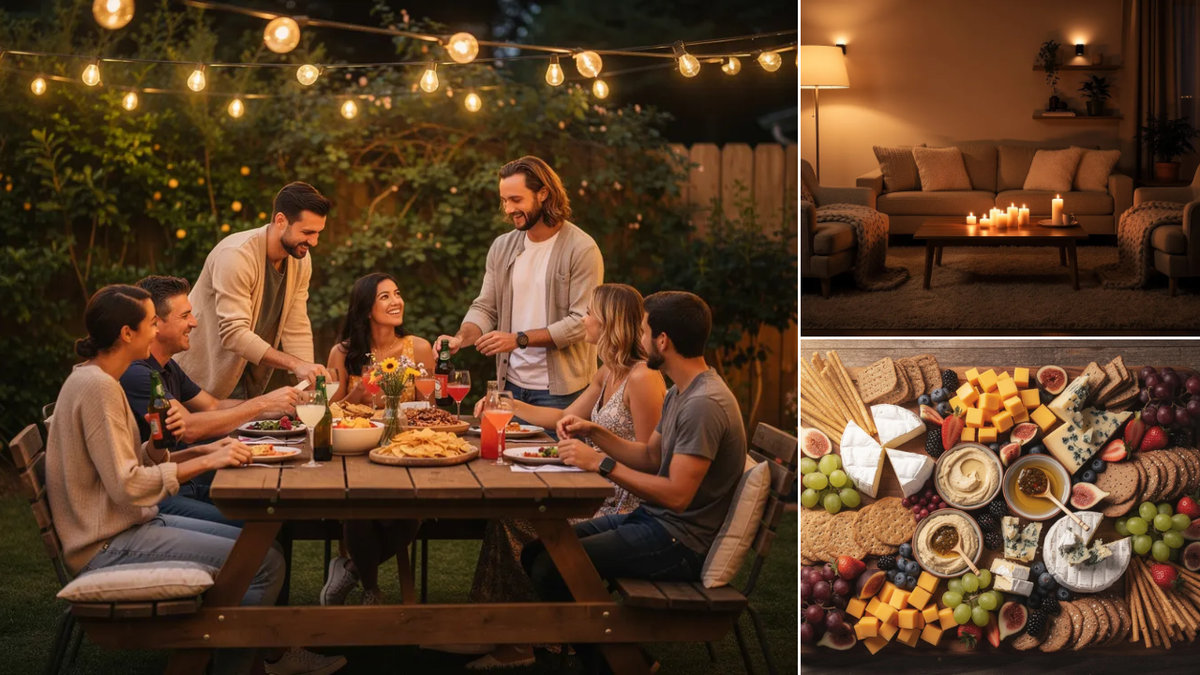
Throwing a party should be fun. But somewhere between planning the menu, cleaning the house, and wondering if you bought enough ice, hosting starts to feel like a second job. The good news? It doesn't have to be that way. Learning how to host a stress free party comes down to a handful of smart strategies - and none of them require perfection.
Raquel's Reviews earns from purchases, no extra cost to you!
Quick Answer
Here's the short version if you're in a hurry:
- Start party planning 2–3 weeks ahead with a simple guest list and theme
- Prep food ahead of time - focus on dishes that work at room temperature
- Set up self-serve drink and snack stations so you're not running around all night
- Delegate setup, serving, and cleanup tasks to willing friends
- Create a comfortable atmosphere instead of chasing a picture-perfect evening
- Give yourself permission to actually enjoy your own party
Now let's get into the details.
What Makes Party Hosting Actually Stress-Free
The biggest shift? Stop trying to be the perfect host and start being a relaxed host. When the focus moves toward Instagram-worthy decor and complicated recipes, hosting becomes overwhelming fast. Event experts warn that visual impressiveness is what burns people out - not the actual gathering itself.
What guests remember is how they felt, not whether your table linens matched. A relaxed host brings comfort to guests. When you're calm, everyone else relaxes too.
Most day-of stress comes from last minute decisions and rushing. Give yourself a couple of weeks to lock in your guest list, menu, and timeline, and you'll eliminate most of the panic. The goal is to build systems - food prepped in advance, drinks stations ready, tasks delegated - so that once people arrive, you can step away from behind the scenes and actually talk to the people you invited.
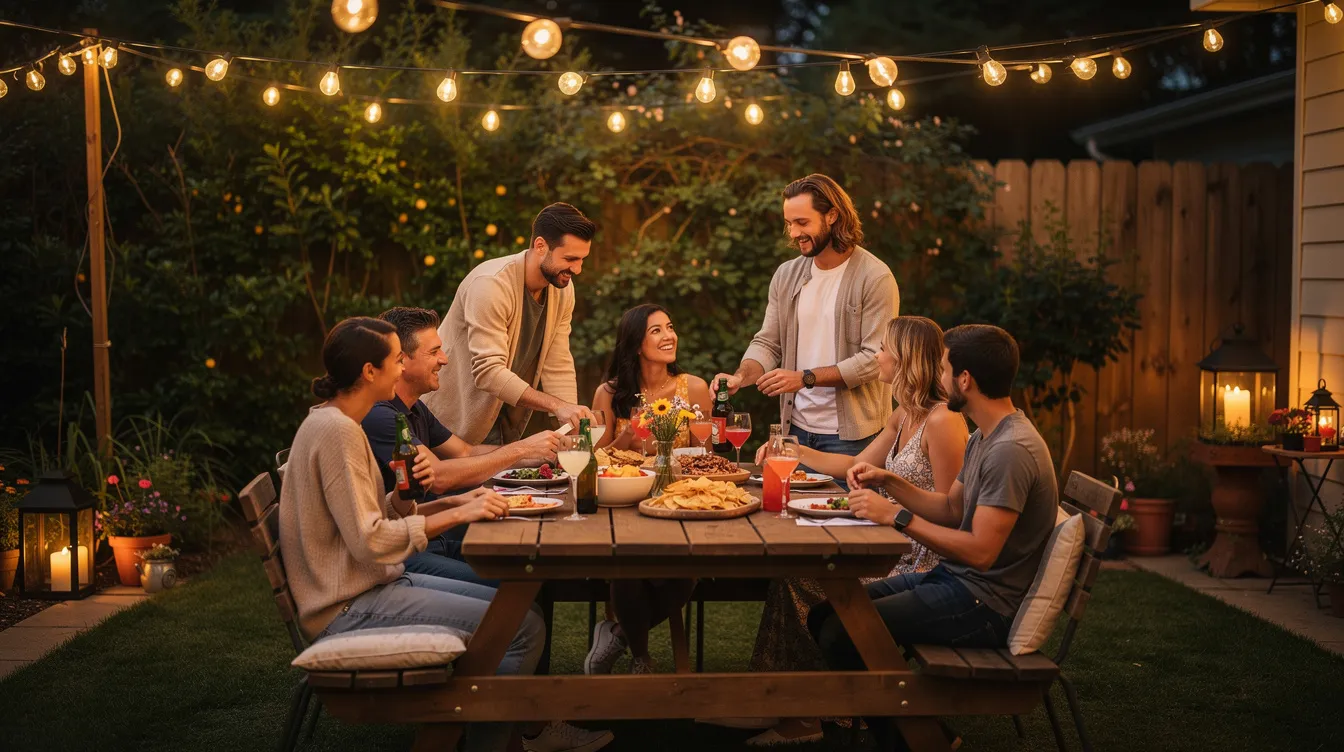
7 Proven Strategies for Stress-Free Party Hosting
1. Plan Your Party Timeline and Stick to Simple Themes
Planning ahead is the single biggest thing that separates a stress free dinner party from a chaotic one. When you plan tasks categorically - food, decor, drinks, setup - the whole event runs smoother.
A simple 2–3 week timeline:
When | What to Do |
|---|---|
2–3 weeks out | Finalize guest list, send invites, decide on theme |
10–14 days out | Plan menu, order decor, organize serving ware |
3–5 days out | Shop for food, create a music playlist in advance to set the mood, prep make-ahead items |
Day before | Prep as much food as possible, clean high-traffic areas, set up stations |
Every party needs a theme to tie it together. It doesn't need to be elaborate - "backyard casual," "wine and cheese night," or even a simple color palette works. A theme helps connect food, drink, decor, and music so you're not making a hundred disconnected decisions. You can also incorporate non-theme-specific elements for a unique decor twist that feels personal.
Set a realistic guest count based on your space and energy. If your house comfortably fits 15, don't invite 25. The AARP Smart Guide recommends planning one drink per person per hour as a baseline for supplies.
2. Master Make-Ahead Food and Room Temperature Dishes
Here's something most people forget: make-ahead food separates relaxed hosts from frazzled ones. When your cooking is done before anyone shows up, you get to enjoy the evening instead of sweating over the oven.
Many dishes actually taste better after sitting overnight. Grain salads absorb dressings. Braised meats mellow in flavor. Roasted vegetables develop deeper character. Plan ahead to enjoy the run-up to your gathering instead of dreading it.
Best make-ahead options:
- Cold appetizers: hummus, bean dips, charcuterie boards
- Room-temp sides: farro salads, roasted veggie platters, mezze spreads
- Mains that rest well: lasagna, short ribs, stews
- Desserts: panna cotta, tarts, poached fruits
Prepare dips, dressings, and marinades a day before the party. Aim for food that can be served at room temperature - it eliminates the stress of reheating and timing hot dishes. Make-ahead dishes reduce stress on the day of the party dramatically.
Plan food labels creatively to match the party theme. A simple card in front of each dish helps guests with dietary restrictions and adds a thoughtful touch. One tip: garnish fresh herbs and bright greens just before serving so they don't wilt.
3. Set Up Self-Serve Drink and Snack Stations
This is a game-changer. Set up a self-serve drink station to minimize serving time, and suddenly you're free to mingle instead of playing bartender all night. Self-serve drinks reduce the host's workload during parties more than almost any other strategy.
Your beverage station needs:
- Ice bucket and tongs (estimate 1.5 lbs of ice per guest for a 4-hour event)
- Wine, beer, and a batch cocktail option
- Non-alcoholic choices like seltzer or infused water
- Bottle openers, napkins, coasters
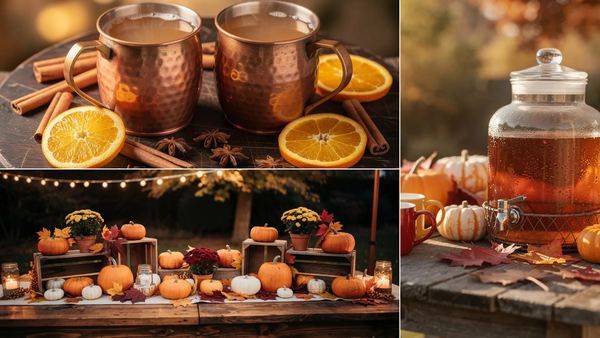
Batch cocktails in advance to minimize day-of stress. Make big pitchers of cocktails for self-serving - a large glass beverage dispenser is a great option for this. Set out a jug of cold drinks for guests to serve themselves without hunting you down.
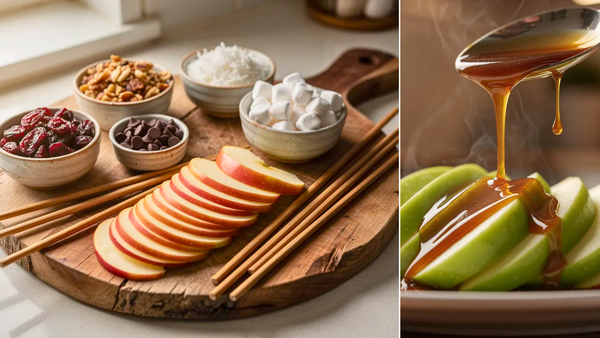
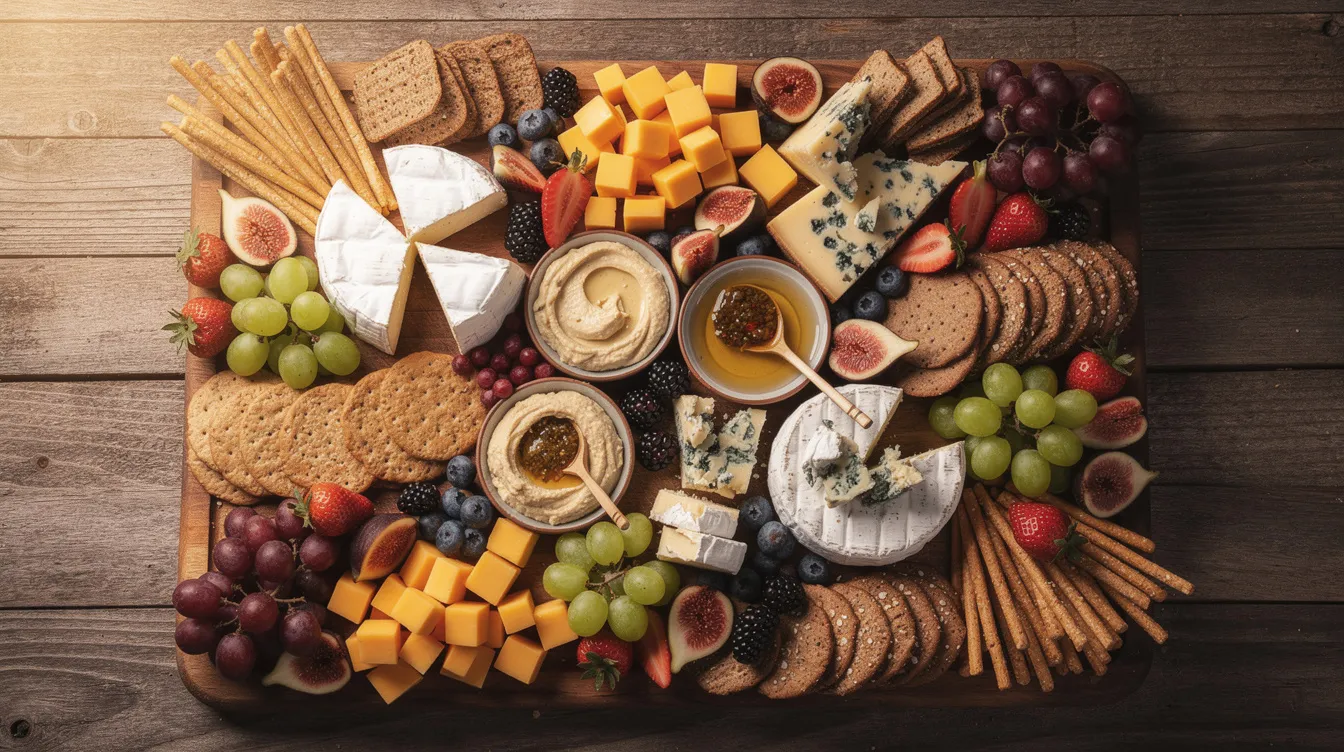
For snacks, create a build-your-own grazing board for easy self-service. Position it near the drinks station where guests naturally pause. Label food items to help guests know what to serve themselves - especially important for allergy-friendly options.
Serve food that can be enjoyed at room temperature for self-service so nothing needs monitoring. Pizza is also a great option for casual parties - order it, slice it, set it out.
4. Delegate Tasks to Willing Guests
You are not supposed to do everything alone. Accepting help doesn't mean you're unprepared - it means you're smart about putting together a gathering that works.
Tasks worth delegating:
- Ask a friend to bring ice or a dessert
- Assign someone to help with setting up chairs or lighting
- Give a willing guest the cleanup job - collecting glasses, taking out trash
Frame it positively: "I'd love your help bringing drinks if you're comfortable." Include it in the invitation so guests can decide early. Specific asks work better than vague ones.
Confirm tasks a few days before the event. People sometimes overcommit, so have a backup plan - a bag of chips or store-bought cookies stashed away never hurts.
Small thank-you gestures go a long way. A bottle of wine, a homemade treat, or a genuine shout-out during the evening makes helpers feel good about contributing.
5. Create Comfortable Spaces Over Perfect Presentation
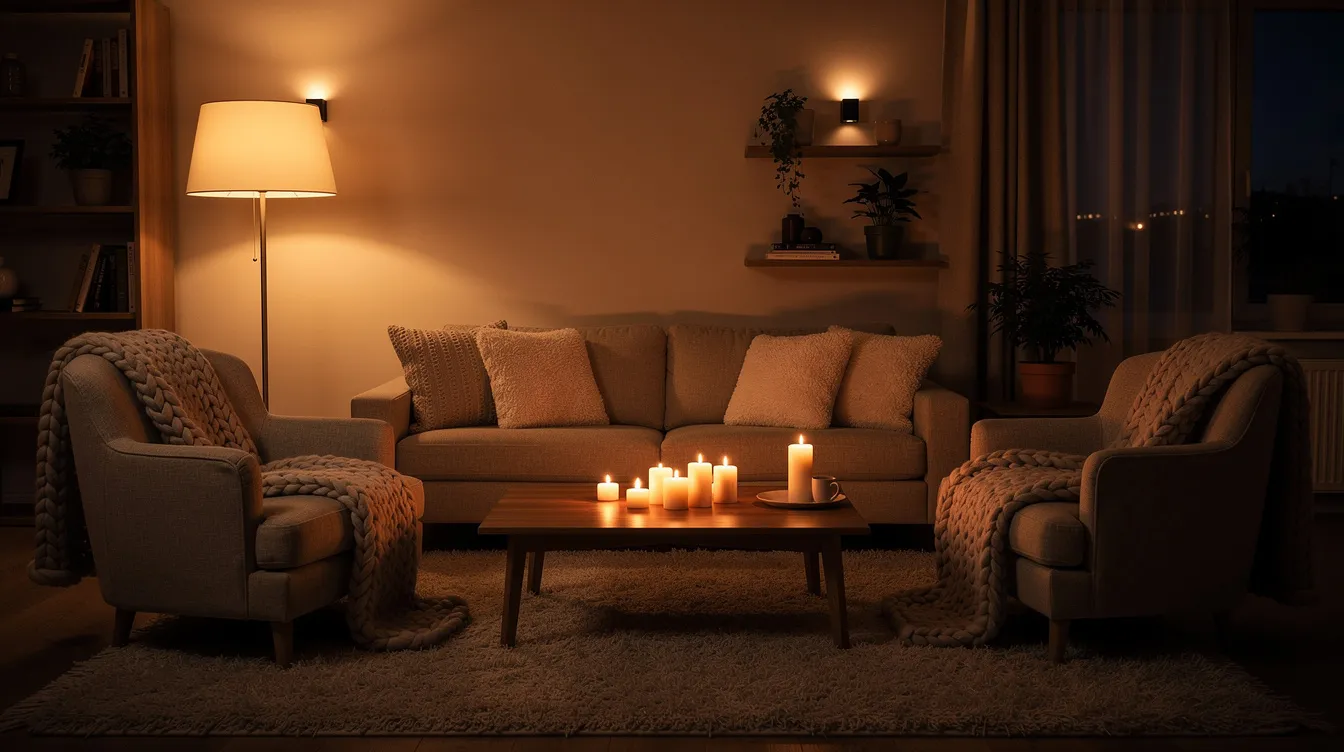
Forget the picture-perfect room. Guest comfort matters more than matching decor. Focus on two things: can people sit comfortably, and does the space feel welcoming?
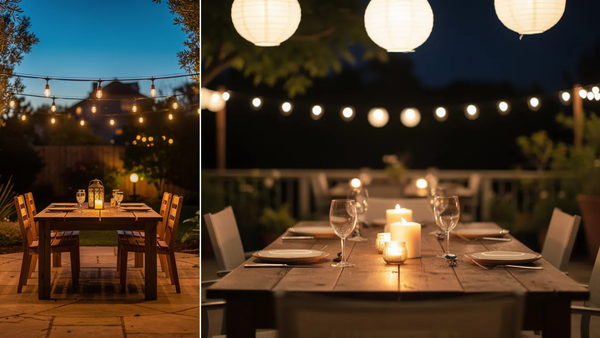
Lowering lights creates a welcoming atmosphere for guests. Swap harsh overhead light for candles, fairy lights, or dimmable lamps. These are cheap and completely shift the mood of a room.
Create a music playlist in advance. Keep volume low enough for conversation - music should set the mood, not dominate it. Collaborative playlists are trending and let guests feel part of the event.
Quick comfort checklist:
- Mix of seated and standing room for natural mingling
- Extra blankets for outdoor or cold weather gatherings
- Bug spray and sunscreen for outdoor events
- A quiet corner where people can step aside
Skip the deep clean. Focus on high-impact areas: entryway, guest bathroom, and the food prep area. Stash clutter, wipe surfaces, vacuum the main room. Done.
6. Prepare for Common Party Problems
Things will happen. That's not a maybe - it's a certainty. The trick is anticipating problems before they show up.
Common stress triggers and solutions:
Problem | Solution |
|---|---|
Running out of ice | Buy 50% more than you think you need |
Weather changes (outdoor) | Have an indoor backup or pop-up canopy ready |
Dietary restrictions | Ask ahead; have at least one vegan/gluten-free option |
Food runs out | Keep backup snacks stored - cheese, olives, crackers |
Music or tech fails | Download playlists offline; have a backup speaker |
Build a small emergency hosting kit: stain remover wipes, extra napkins, extension cords, trash bags, and a basic first aid kit. Keep it in a closet near your main party area.
For tricky guests or unexpected moments, decide ahead how you'll redirect. Useful lines like "Let's move to the living room" or "Who wants to help me with dessert?" shift attention naturally.
7. Give Yourself Permission to Enjoy Your Own Party
This is the most important strategy, and importantly, the one most hosts skip. You're allowed to have fun at your own event.
Once guests arrive, stop working. Set a personal signal - your first drink poured, the music starting - that marks your transition from host-mode to guest-mode. Aim to have all cooking finished at least 30 hours before the party starts. The rest should be reheated or assembled with minimal effort.
Eat your own food. Seriously. Have someone bring you a plate, or eat early before people arrive. Move around the room instead of staying fixed in one spot.
Accept that something will go wrong. A spill, a burned dish, a late guest. None of it matters as much as you think. People are there to spend time with you - not to judge your table settings. Make granola a few days ahead for easy morning-after snacks if you're hosting overnight guests, and don't spend your evening worrying about breakfast.
Quick Guide to Choosing Your Stress-Free Approach
- Small gatherings (under 10): Focus on make-ahead meals and simple setup. You can handle most things yourself.
- Large parties (10+): Prioritize self-serve stations and delegation. You can't do it all alone.
- Outdoor events: Prepare for weather changes and emphasize casual comfort. Keep hot and cold options flexible.
- Holiday parties: Start planning early during the holiday season. Embrace imperfect traditions - they're what people remember during the holidays.
- Last-minute hosting (48 hours): Shop for store-bought items. Order pizza. Delegate everything possible.
How to Choose the Right Strategy for Your Situation
Consider Your Available Prep Time
Your advance notice determines everything. With 2+ weeks, you can pull off a full make-ahead strategy with homemade elements. One week gives you time to mix homemade and store-bought with a simple theme. With only 48 hours, focus on easy appetizers, store-bought desserts, and delegate everything you can.
Match Your Energy Level and Hosting Experience
New hosts should start with small groups and simple food. Don't try to wow everyone your first time - just create a welcoming space. Experienced hosts can handle larger groups with more complex delegation. During low-energy periods, embrace potluck style and minimal decoration. There's no shame in asking everyone to bring a dish.
Factor in Your Space and Budget
Small spaces work best with appetizers and standing-room arrangements. Tight budgets call for potluck contributions and simple decor - fresh flowers from the grocery store do more than expensive centerpieces. If you have a limited kitchen, prioritize no-cook and make-ahead options that don't need oven space.
Which Approach Works Best for Different Host Types
- Choose make-ahead meal prep if you love cooking but want to socialize during the dinner party
- Choose self-serve stations if you prefer minimal cooking and maximum guest interaction
- Choose a delegation-heavy approach if you enjoy organizing but want shared responsibilities
- Choose a comfort-focused strategy if creating a cozy atmosphere is your top priority
Frequently Asked Questions
How far ahead should I start planning a stress-free party? Two to three weeks is ideal for most gatherings. This gives you time to shop, prep food ahead, and handle unexpected changes without panic.
What are the best make-ahead foods that still taste fresh? Grain salads, braised meats, dips, roasted vegetables, and desserts like panna cotta or tarts all hold up beautifully. Many taste even better after a night in the fridge.
How do I ask guests to help without seeming unprepared? Be specific and positive: "I'm handling food - could you bring ice or a dessert?" Including it in the invitation makes it feel natural, not desperate.
What should I do if something goes wrong during the party? Roll with it. Spills get wiped, burned dishes get replaced with cheese and crackers, and guests rarely notice what you think they notice. Keep backup snacks handy.
How can I enjoy my own party instead of worrying about everything? Finish all cooking before guests arrive. Set up self-serve stations. Delegate cleanup. Then pour yourself a drink and join the conversation.
What are essential items to have on hand for any party? Extra ice, napkins, a stain remover pen, trash bags, a downloaded playlist, and at least one backup snack that requires zero prep.
Final Thoughts
Hosting a stress free party comes down to preparation and realistic expectations. You don't need to spend weeks planning or hundreds of dollars on decor. You just need a simple plan, food that's mostly done before anyone walks through the door, and the willingness to let go of perfection.
Here's what I hope you take away from this post: your guests care about feeling welcome, not about whether your napkins match your plates. The U.S. Surgeon General's report on loneliness reminds us that in-person gathering matters for our wellbeing - so throw that party. Start with one or two strategies from this list and build from there. The best gatherings happen when the host is relaxed, present, and actually having a good time.
Happy Hosting! 😊🎉